
Peptides and Injury Recovery: What the Evidence Actually Shows
BPC-157, TB-500, CJC-1295 and MK-677 are being promoted online for faster injury recovery, bigger muscles, better performance, and general wellness. We went through the 2026 research on all three claims, including a landmark muscle-mass clinical trial and several fresh systematic reviews, to see what actually holds up and what's still just marketing.

ACL Reconstruction Recovery: Why Return to Sport Is About More Than Time
Getting back to sport after an ACL reconstruction is about more than counting weeks. We review current research on strength symmetry, hop testing, and psychological readiness, and how our exercise physiology team supports the return-to-sport phase alongside your surgeon and physiotherapist.
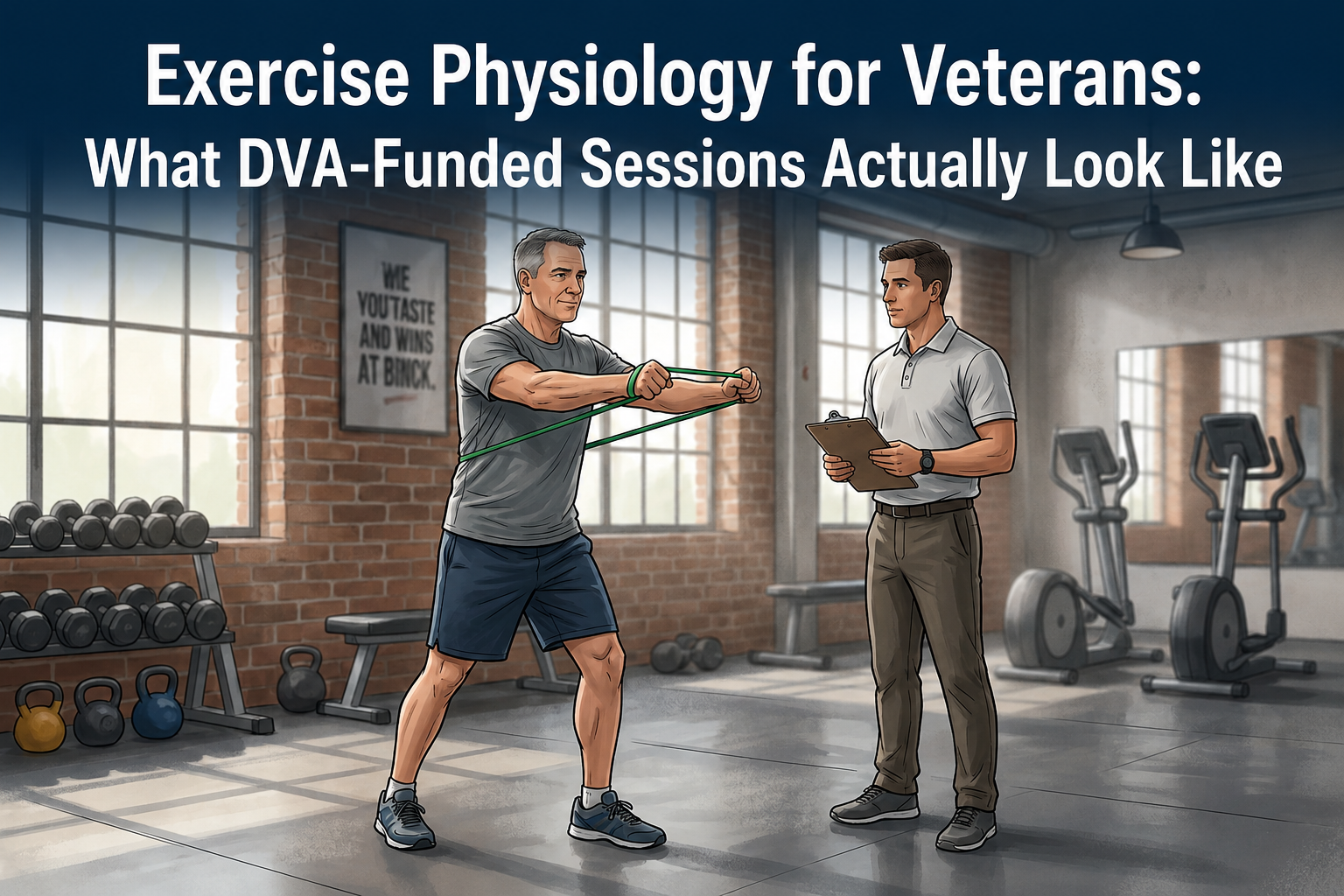
Exercise Physiology for Veterans: What DVA-Funded Sessions Actually Look Like
Many veterans don't realise Exercise Physiology is available through DVA, or what it actually involves. This post explains how EP supports common service-related injuries and chronic conditions, how DVA funding (D904) works, and what to expect from a session, so you know what's actually on offer.

Preventing Running Injuries: How Gait, Strength and Exercise Physiology Can Keep You Running
Running injuries often develop from a combination of training load, strength deficits and movement patterns. Learn how knee-dominant running, hip control, pelvic movement, glute strength and calf capacity can influence running mechanics, and how Exercise Physiology can help marathon and recreational runners build strength, improve movement and run more resiliently.

Why Tight Hips and Weak Glutes Could Be Causing Your Lower Back Pain
Lower Crossed Syndrome is a common muscle imbalance that can contribute to lower back pain, tight hip flexors, hamstring tightness and calf cramps. Learn how Exercise Physiology identifies the underlying causes and uses evidence-based strengthening, mobility and movement retraining to improve posture, reduce pain and restore long-term function.

Cardiovascular and Respiratory Responses to Exercise: How Exercise Physiology Improves Heart and Lung Health
Exercise challenges your heart and lungs, creating powerful adaptations that improve fitness, health and longevity. Learn how the cardiovascular and respiratory systems respond to exercise, and discover how Exercise Physiology supports recovery from heart disease, COPD and other chronic conditions through safe, evidence-based rehabilitation.

Gut Health and Exercise: Why Your Gut Microbiome Matters More Than You Think
Learn how exercise improves gut microbiome health, reduces inflammation and supports the gut–brain axis to enhance pain, immunity and overall health.

Why Are So Many People Experiencing Neck Pain, Tight Upper Traps and Chest Tightness? An Exercise Physiologist Explains
Discover why neck pain, tight upper traps and chest tightness develop, and how Exercise Physiology uses evidence-based exercise to reduce pain and improve posture.
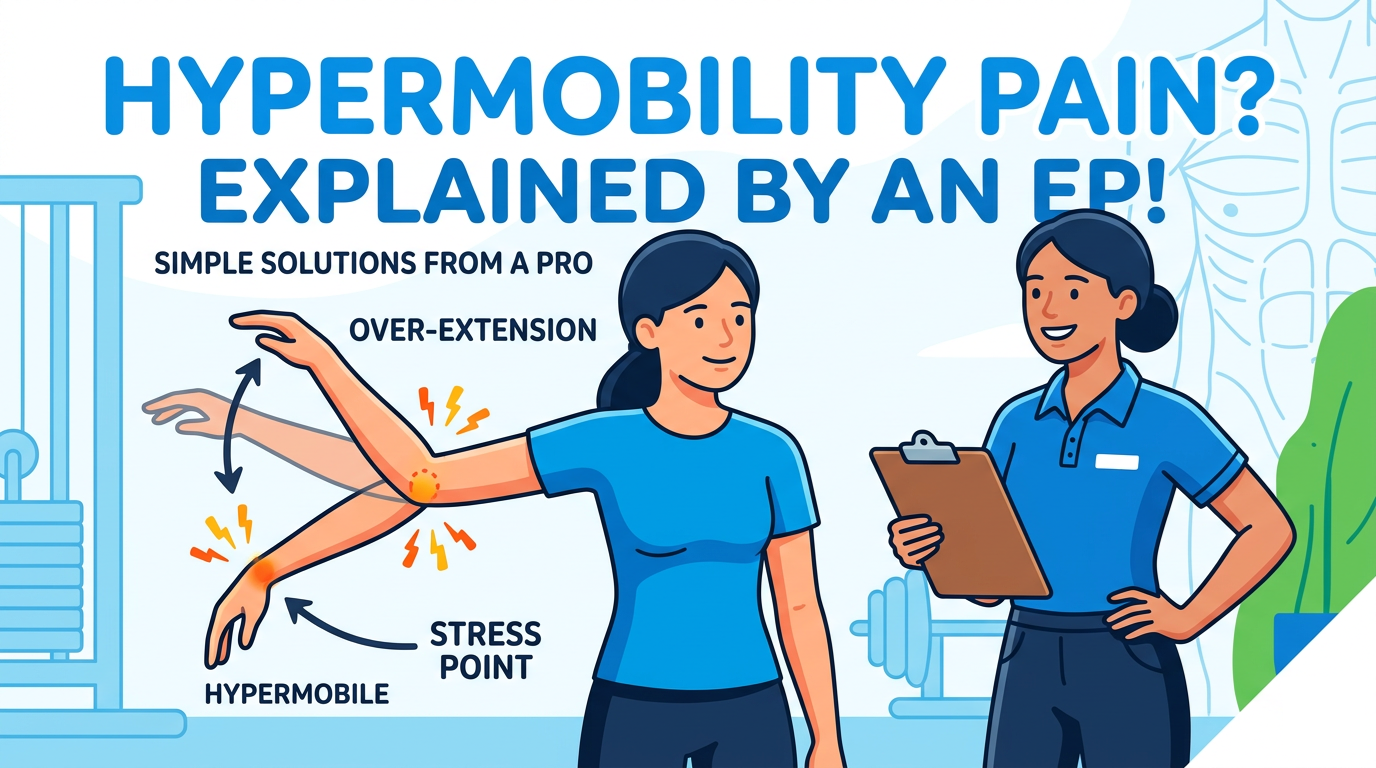
Understanding Pain in Hypermobility: An Exercise Physiologist's Perspective
Discover how Exercise Physiology helps manage hypermobility pain through strength training, pain science, and evidence-based rehabilitation to improve function and stability.

What Does an Exercise Physiologist Do? (And When Should You See One?)
What does an Exercise Physiologist actually do? Learn how Exercise Physiology uses evidence-based exercise to help manage chronic pain, injury, osteoporosis, diabetes, cardiovascular disease, and more. Discover who can benefit, what to expect during treatment, and when it might be time to seek professional support.

Exercise for Osteoporosis: Safe Strength Training for Bone Health
Learn how safe, evidence-based strength training can improve bone health, reduce fracture risk, and help manage osteoporosis. Discover the best exercises for osteoporosis and how Exercise Physiology can help you stay active and independent.

Does Medicare in Australia cover Exercise Physiology?
Wondering if Exercise Physiology is covered by Medicare? Learn who is eligible, how Chronic Disease Management Plans work, referral requirements, and how Exercise Physiology can help manage chronic health conditions.
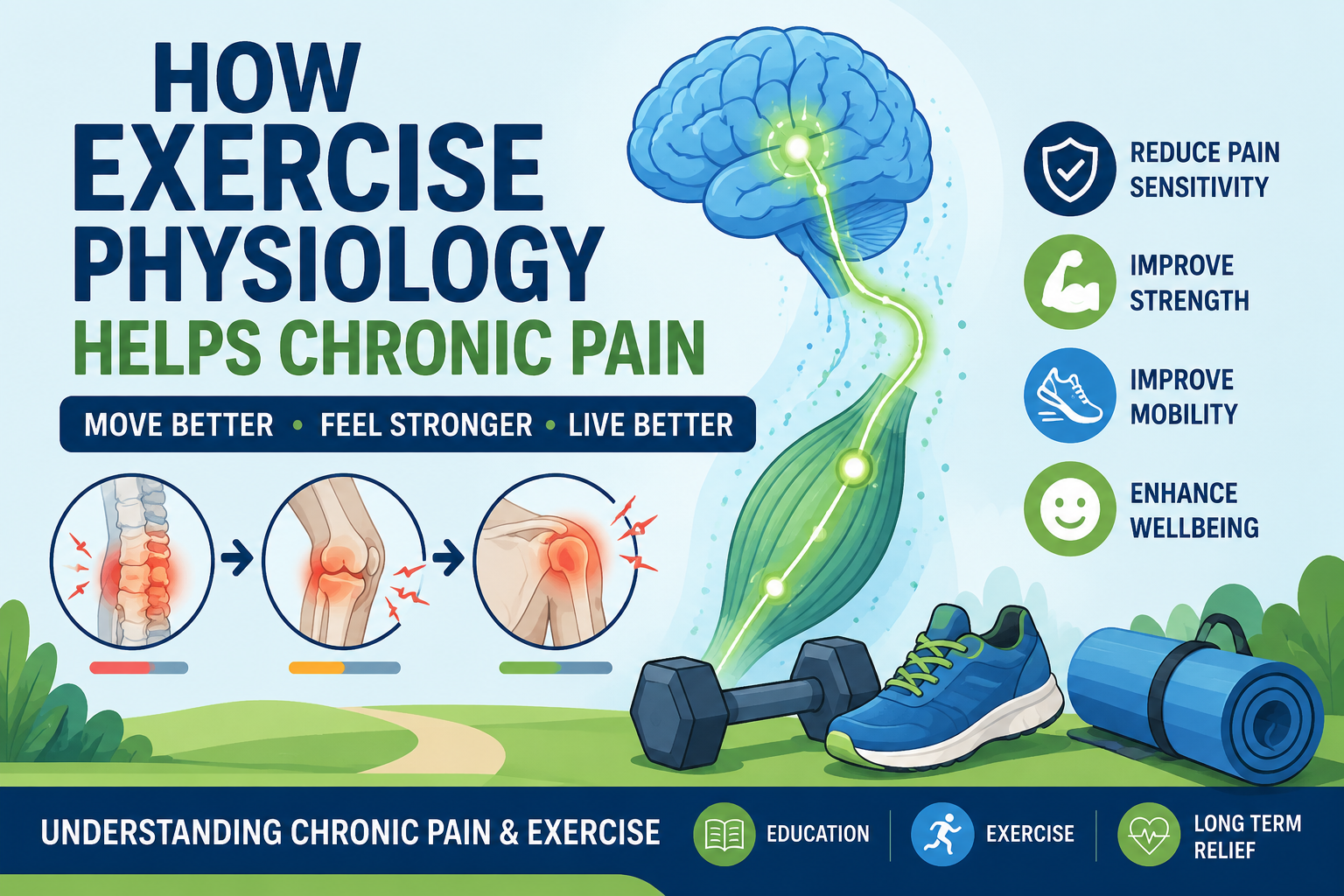
How Exercise Physiology Helps Chronic Pain: A Guide for Sydney Patients
Living with chronic pain? Discover how Exercise Physiology can help reduce pain, improve mobility, build strength, and restore confidence through personalised, evidence-based exercise programs. Learn how Sydney patients are using exercise to manage chronic pain and improve quality of life.
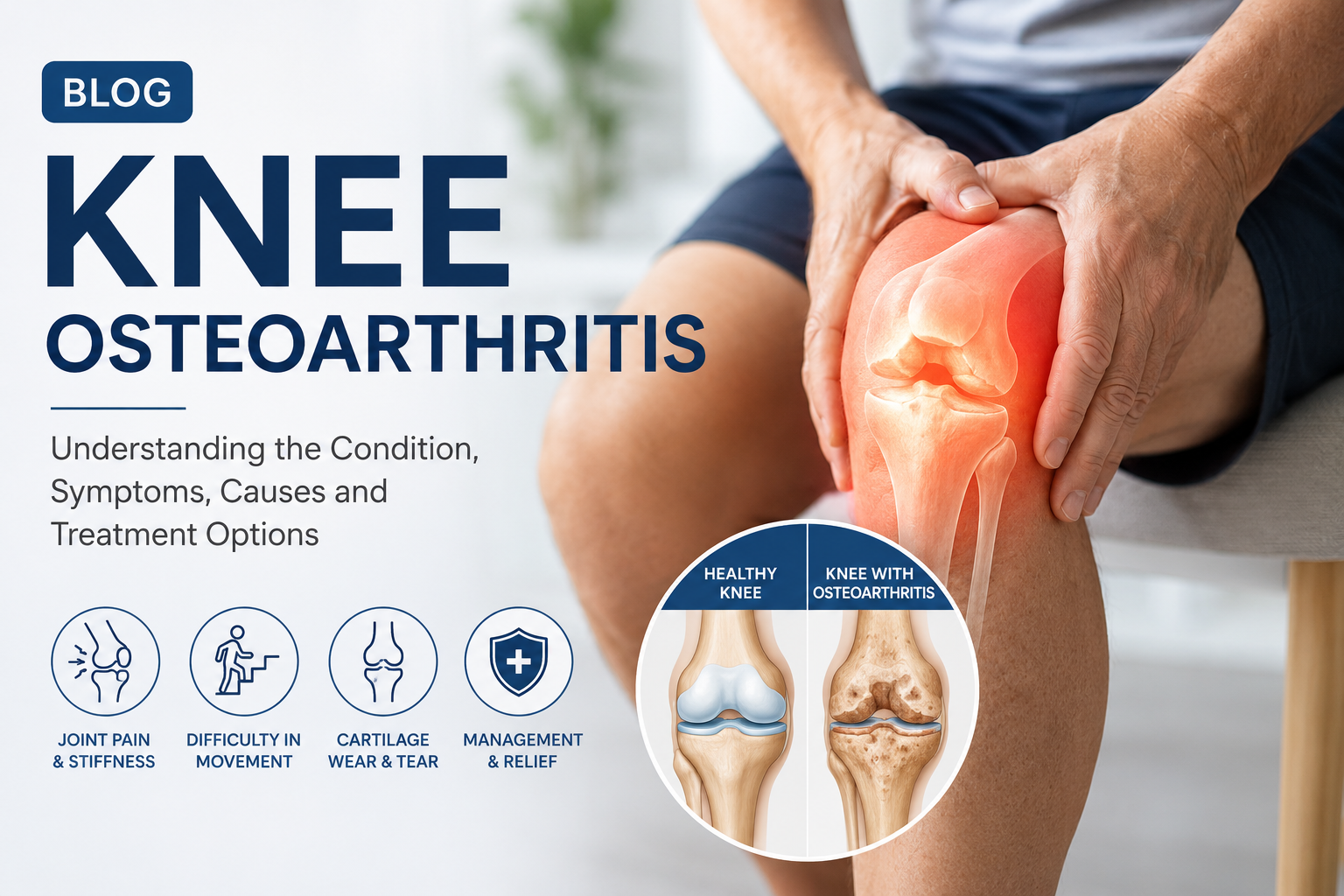
Best Exercises for Knee Osteoarthritis (From an Exercise Physiologist)
Learn the best exercises for knee osteoarthritis from an Exercise Physiologist. Discover safe, evidence-based exercises to reduce pain, improve mobility, and strengthen your knees.
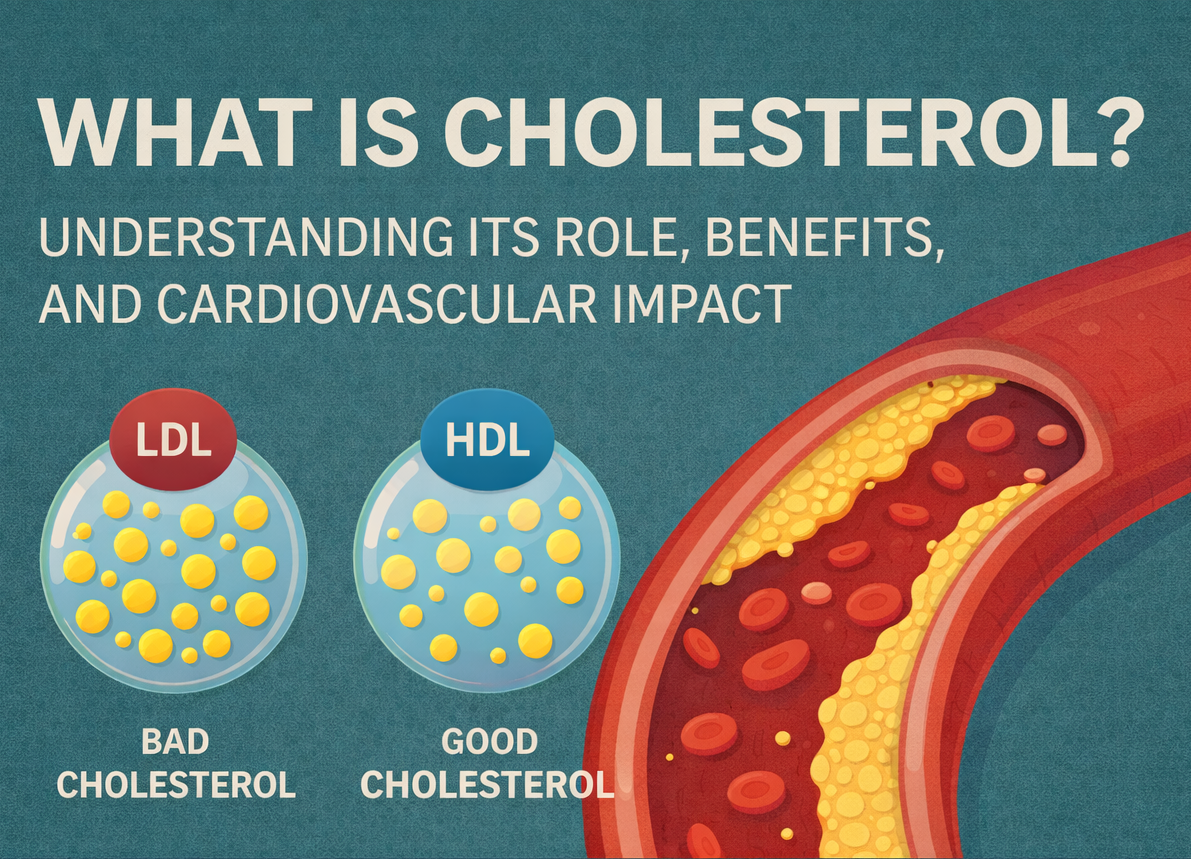
What Is Cholesterol?
Cholesterol is essential for hormone production, cell structure, and overall health, yet elevated levels can quietly increase cardiovascular risk. This blog explains what cholesterol is, why the body needs it, the difference between LDL and HDL, and how imbalances contribute to heart disease and long-term vascular health outcomes.
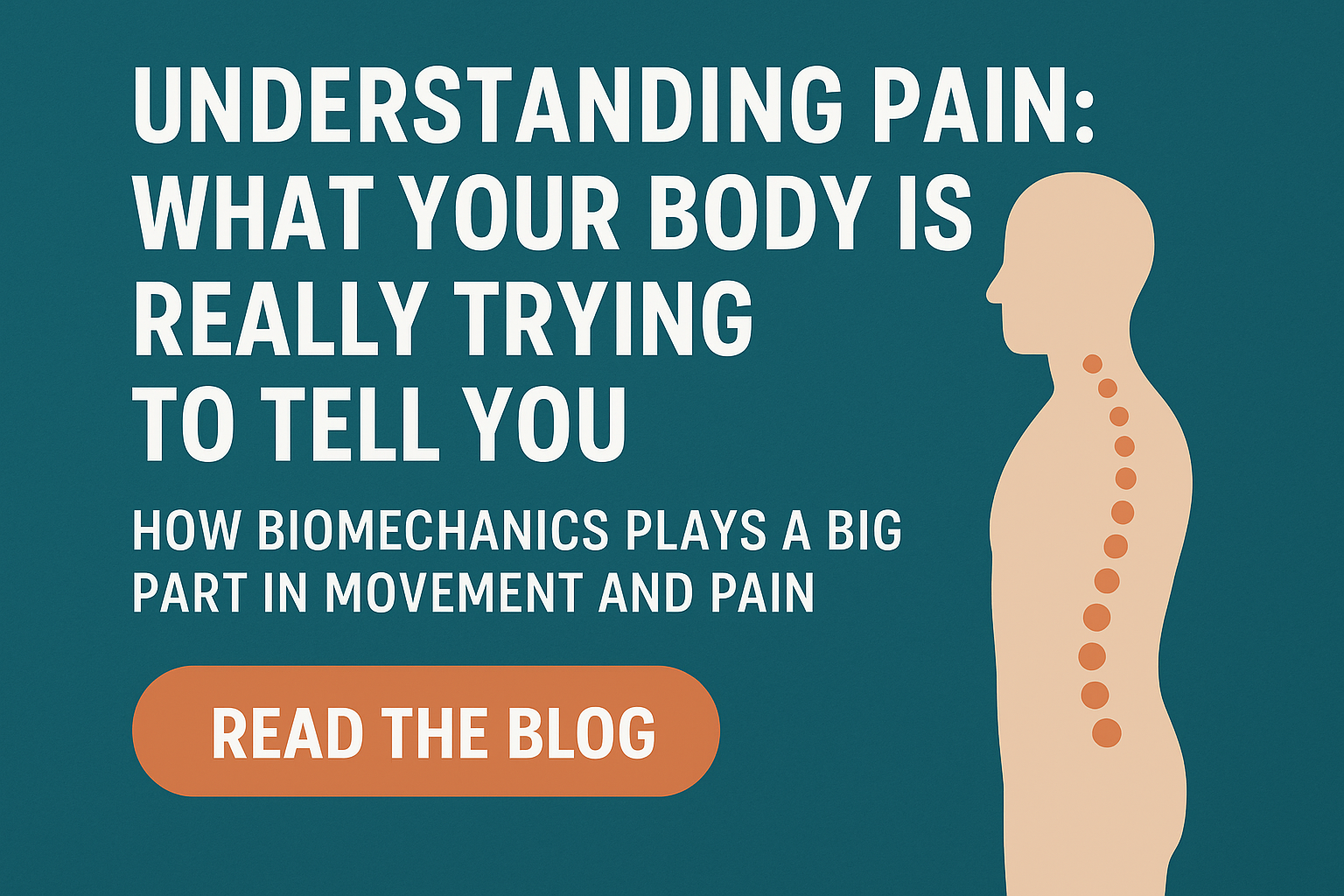
Understanding Pain: What Your Body Is Really Trying to Tell You
This blog explores how different types of pain reflect specific tissues and why pain is rarely a purely local issue. It highlights the importance of whole-body biomechanics, explaining how movement patterns, load, and compensations contribute to pain. Understanding these connections helps guide effective, long-term, evidence-based management.
Creatine: More Than Just a Performance Supplement
Creatine is one of the most researched supplements available, offering benefits far beyond performance. This article explains its role in strength, cognition, ageing, chronic disease support, and rehabilitation, while breaking down types, dosing, and mechanisms.
Brain Fog: What Causes It and How Exercise Helps Clear the Mind
This blog explains what brain fog is, the common underlying causes, including sleep issues, stress, hormonal imbalance, inflammation, and inactivity, and how exercise helps restore clarity. It highlights the science behind movement, neuroplasticity, and hormone regulation, offering practical insight into how exercise can lift mental fatigue and improve cognitive health.
Chronic Inflammation: Understanding the Causes and How Exercise Helps Restore Balance
This blog explores the root causes of chronic inflammation, including diet, environmental stressors, and hormonal imbalance, and explains how these factors impact long-term health. It also highlights how regular exercise reduces inflammatory load, supports metabolic function, balances hormones, and strengthens overall well-being through evidence-based mechanisms.
What Is the “Pain” in No Pain, No Gain? Understanding Delayed Onset Muscle Soreness (DOMS)
This article explores the real meaning behind the saying “no pain, no gain” by explaining Delayed Onset Muscle Soreness (DOMS). Learn what causes DOMS, how to distinguish it from injury, what it means for progress, and how to manage soreness through innovative training, recovery, and gradual progression.