Best Exercises for Knee Osteoarthritis (From an Exercise Physiologist)
Knee osteoarthritis is one of the most common causes of knee pain and reduced mobility worldwide. The good news? Exercise is one of the most effective treatments available and is recommended by leading health organisations as a first-line treatment for managing symptoms.
As an Exercise Physiologist, one of the most common questions I hear is:
"Should I exercise if my knee arthritis hurts?"
The answer is almost always yes!
Research consistently shows that appropriate exercise can reduce pain, improve function, increase strength, and help people stay independent for longer.
What is Knee Osteoarthritis?
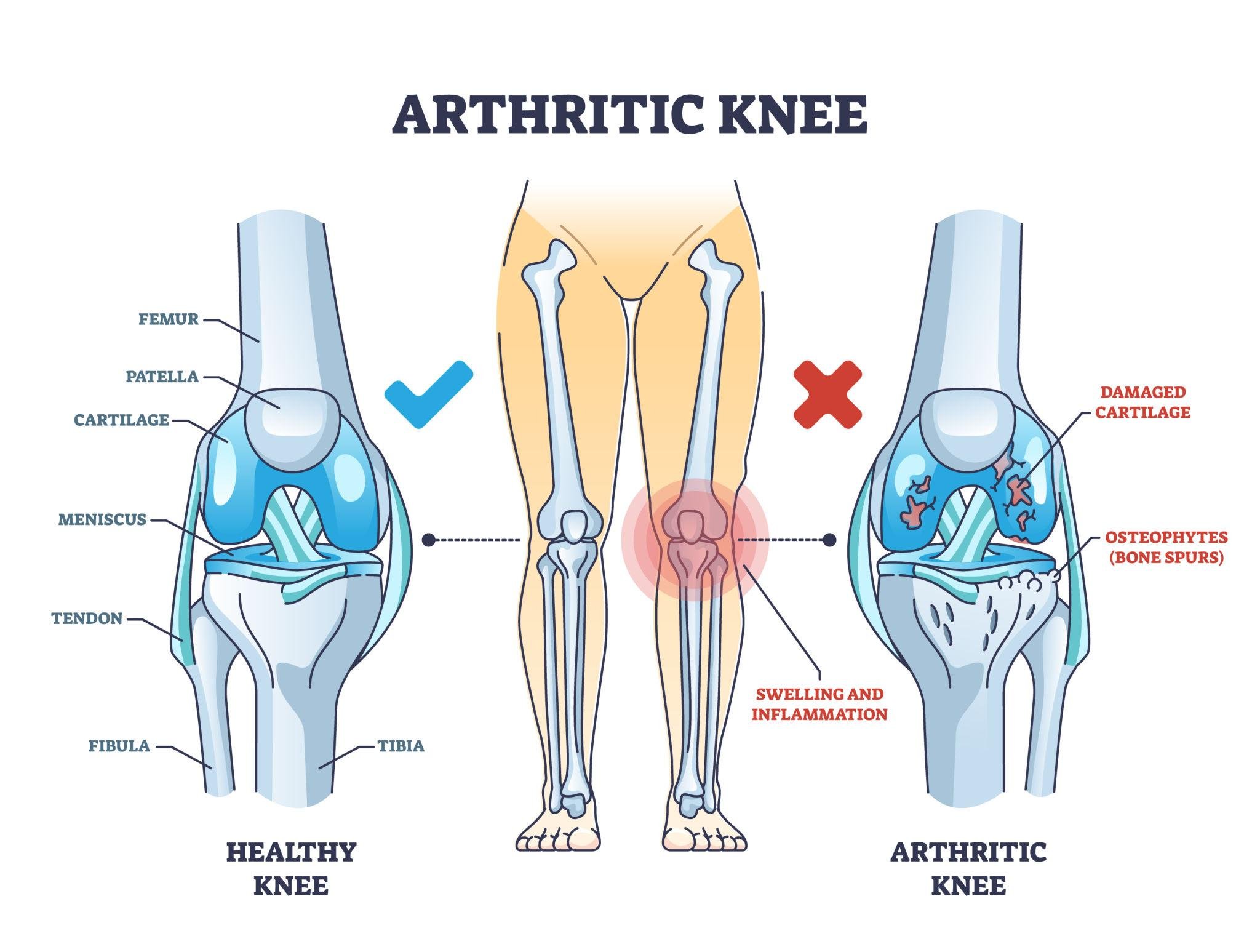
Knee osteoarthritis (OA) is a condition where the structures within the knee joint gradually change over time. While many people think of arthritis as "wear and tear," it is actually a complex condition that involves changes in cartilage, bone, ligaments, and surrounding tissues.
Common symptoms include:
Knee pain
Morning stiffness
Swelling
Reduced walking tolerance
Difficulty climbing stairs
Reduced balance and confidence with movement
Many people become less active due to pain, which often leads to weaker muscles, reduced fitness, and worsening symptoms over time.
Why Exercise Helps
Exercise works because it:
✅ Strengthens muscles that support the knee
✅ Improves joint stability
✅ Reduces stiffness
✅ Improves balance and confidence
✅ Assists with weight management
✅ Enhances overall health and wellbeing
Most importantly, exercise helps people continue doing the activities they enjoy.
Should Exercise Cause Pain?
This is one of the most misunderstood aspects of osteoarthritis management.
A small increase in discomfort during or after exercise does not necessarily indicate damage.
Many people can safely exercise with mild symptoms.
As a general guide:
Mild discomfort during exercise is acceptable.
Pain should settle within 24 hours.
Symptoms should not progressively worsen.
If pain is severe or persists, exercise may need to be modified.
The Best Exercise is the One You'll Continue Doing
There is no single "perfect" exercise for knee osteoarthritis.
The most successful programs combine:
Strength training
Walking or cardiovascular exercise
Balance training
Mobility work
Most importantly, the program should be tailored to your current abilities, symptoms, and goals.
Recommended Exercises for Knee Osteoarthritis
Sit-to-Stands
Strengthens the thighs and glutes while improving the ability to get up from chairs and perform daily activities.
Walking
Improves joint mobility, cardiovascular fitness, and overall function with minimal equipment required.
Step-Ups
Builds leg strength and improves confidence with stairs, curbs, and uneven surfaces.
Glute Bridges
Strengthens the glutes and hips to help reduce stress placed on the knee joint.
Mini Squats
Improves lower limb strength and functional capacity for everyday movements.
Balance Training
Enhances stability, reduces fall risk, and improves confidence with movement.
Cycling
Provides a low-impact way to improve fitness, knee mobility, and leg strength.
Resistance Band Exercises
Targets key muscle groups around the hip and knee to improve joint support and stability.
Swimming or Hydrotherapy
Allows movement and exercise with reduced joint loading, thanks to the support of water.
Calf Raises
Strengthens the lower leg muscles, improving walking efficiency and overall lower limb function.
When Should You See an Exercise Physiologist?
If knee pain is limiting your daily activities, an Exercise Physiologist can help by:
Assessing your strength and mobility
Designing a personalised exercise program
Progressing exercises safely
Improving confidence with movement
Helping you stay active long-term
Exercise is one of the most powerful treatments available for knee osteoarthritis, and with the right guidance, many people can significantly reduce pain and improve quality of life.
Need Help Managing Knee Osteoarthritis?
At The Right Move Allied Health Centre, we provide evidence-based exercise programs tailored to your individual needs, helping you move better, reduce pain, and maintain independence.
Contact us today to learn how exercise can help you take control of your knee osteoarthritis.