How Exercise Physiology Helps Chronic Pain: A Guide for Sydney Patients
Living With Chronic Pain
Chronic pain affects millions of Australians and can have a profound impact on daily life. Whether it's persistent back pain, arthritis, fibromyalgia, neck pain, or ongoing discomfort following an injury, chronic pain can make simple activities feel overwhelming.
Many people are told to rest or avoid movement when they experience pain. While this may be appropriate in the short term following an acute injury, chronic pain often requires a different approach. Research consistently shows that appropriately prescribed exercise is one of the most effective treatments for managing persistent pain.
This is where Exercise Physiology can play a significant role.
What Is Chronic Pain?
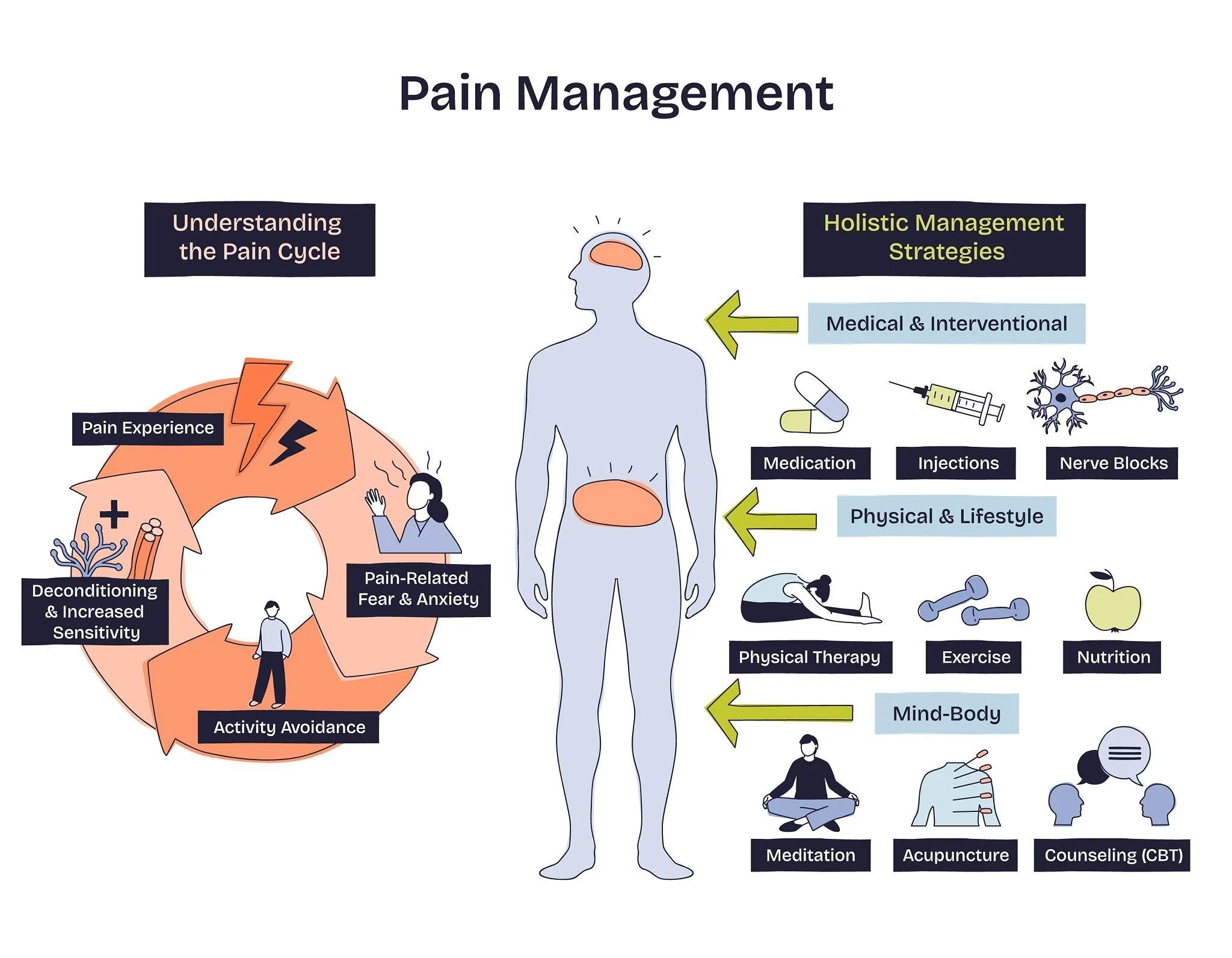
Pain is generally considered chronic when it persists for longer than three months.
Unlike acute pain, which serves as a warning signal following injury, chronic pain often continues even after tissues have healed. Over time, the nervous system can become more sensitive, leading to pain signals persisting longer than expected.
Chronic pain can affect:
The lower back
Neck and shoulders
Hips and knees
Joints affected by arthritis
Muscles throughout the body
Individuals with fibromyalgia and chronic fatigue conditions
The good news is that pain does not always indicate ongoing damage.
What Is Exercise Physiology?
An Accredited Exercise Physiologist (AEP) is a university-qualified allied health professional who specialises in the use of exercise to prevent, manage, and treat a wide range of health conditions.
Exercise Physiologists work with individuals experiencing:
Chronic pain
Arthritis
Osteoporosis
Diabetes
Cardiovascular disease
Neurological conditions
Workplace injuries
Persistent musculoskeletal conditions
Exercise programs are tailored to the individual's goals, abilities, symptoms, and medical history.
Why Exercise Helps Chronic Pain
Many people fear movement because they believe pain means they are causing further damage. However, avoiding activity often leads to:
Reduced strength
Decreased fitness
Joint stiffness
Poorer sleep
Reduced confidence
Increased disability
Exercise helps break this cycle.
Benefits of Exercise for Chronic Pain
Improved Strength
Stronger muscles support joints more effectively, reducing strain on painful structures.
Better Movement and Mobility
Regular movement improves flexibility and helps reduce stiffness.
Reduced Pain Sensitivity
Exercise can help "turn down the volume" of the nervous system, making pain signals less intense over time.
Improved Mood and Mental Health
Chronic pain often impacts mental wellbeing. Exercise releases endorphins and can improve confidence, mood, and resilience.
Better Sleep
Many people with chronic pain struggle with sleep quality. Regular exercise is associated with improved sleep and recovery.
What Can You Expect From Exercise Physiology Treatment?
At The Right Move Allied Health Centre, chronic pain management begins with a thorough assessment.
We look at:
Pain history
Functional limitations
Strength and mobility
Lifestyle factors
Personal goals
From there, an individualised exercise program is developed.
Treatment may include:
Strength training
Mobility exercises
Balance training
Cardiovascular exercise
Functional movement training
Pain education
Importantly, exercise is progressed gradually and at a pace appropriate for the individual.
Conditions That May Benefit From Exercise Physiology
Exercise Physiology may help individuals living with:
Chronic low back pain
Osteoarthritis
Neck pain
Fibromyalgia
Persistent shoulder pain
Hip pain
Chronic knee pain
Chronic pain following injury or surgery
Complex chronic health conditions
Every program is tailored to the individual rather than adopting a one-size-fits-all approach.
The Importance of Starting Small
One of the most common concerns we hear is:
"I'm worried exercise will make my pain worse."
This is understandable, especially if previous attempts at exercise have increased symptoms.
The key is finding the right starting point.
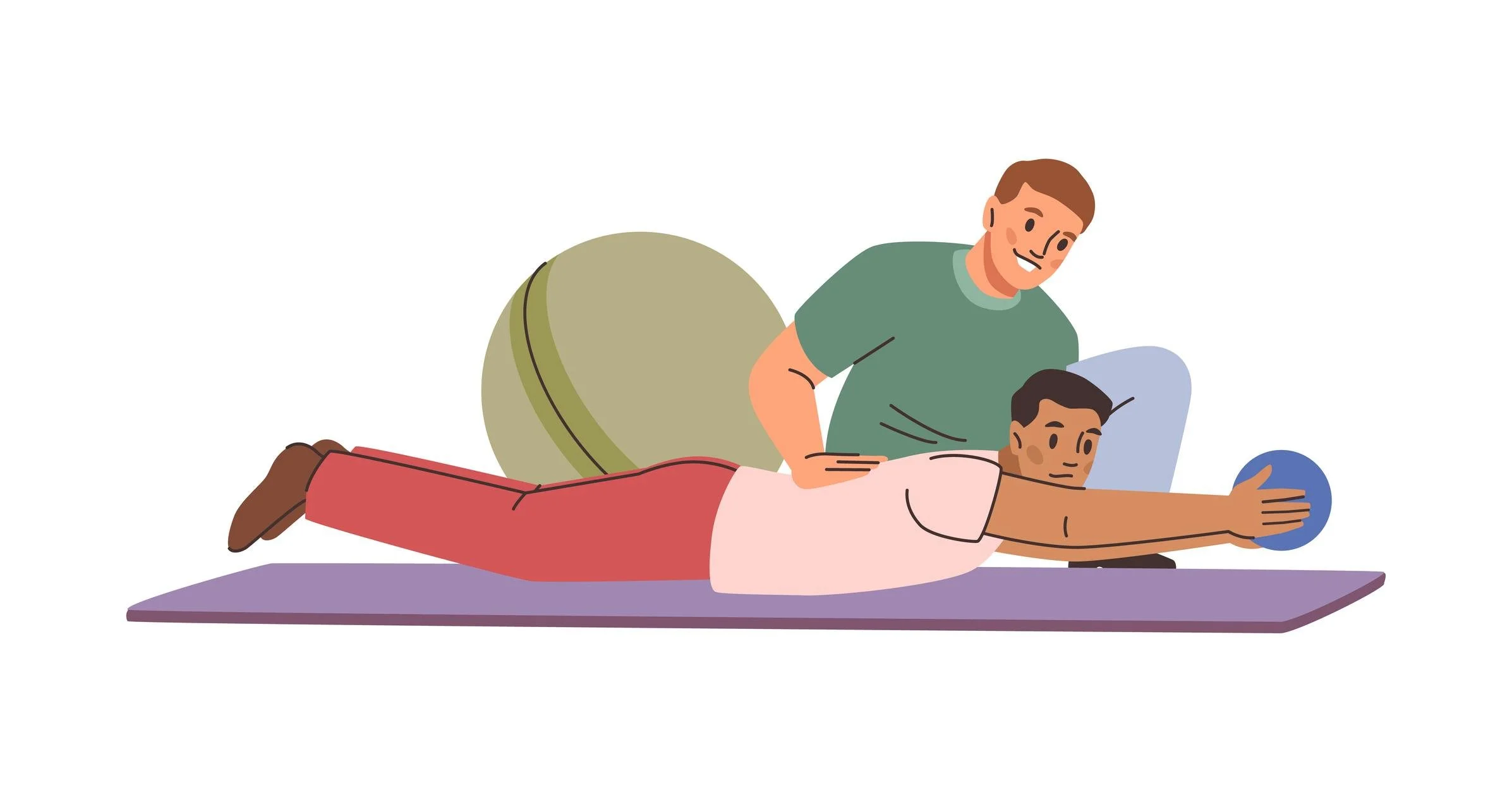
Small, achievable improvements performed consistently often lead to the greatest long-term success. The goal isn't to push through pain—it's to gradually build capacity and confidence.
Take Control of Your Pain
Living with chronic pain can feel frustrating and isolating, but it doesn't have to define your future.
With the right support, education, and exercise prescription, many people experience significant improvements in pain, mobility, function, and quality of life.
Exercise is medicine—and when prescribed appropriately, it can be one of the most powerful tools available for managing chronic pain.
If you're living with chronic pain and are unsure where to start, we're here to help. At The Right Move Allied Health Centre, we provide evidence-based Exercise Physiology services designed to help you move with confidence, improve function, and regain control over your health.
Contact us today to book an assessment and discover how a personalised exercise program can support your journey toward better health and less pain.